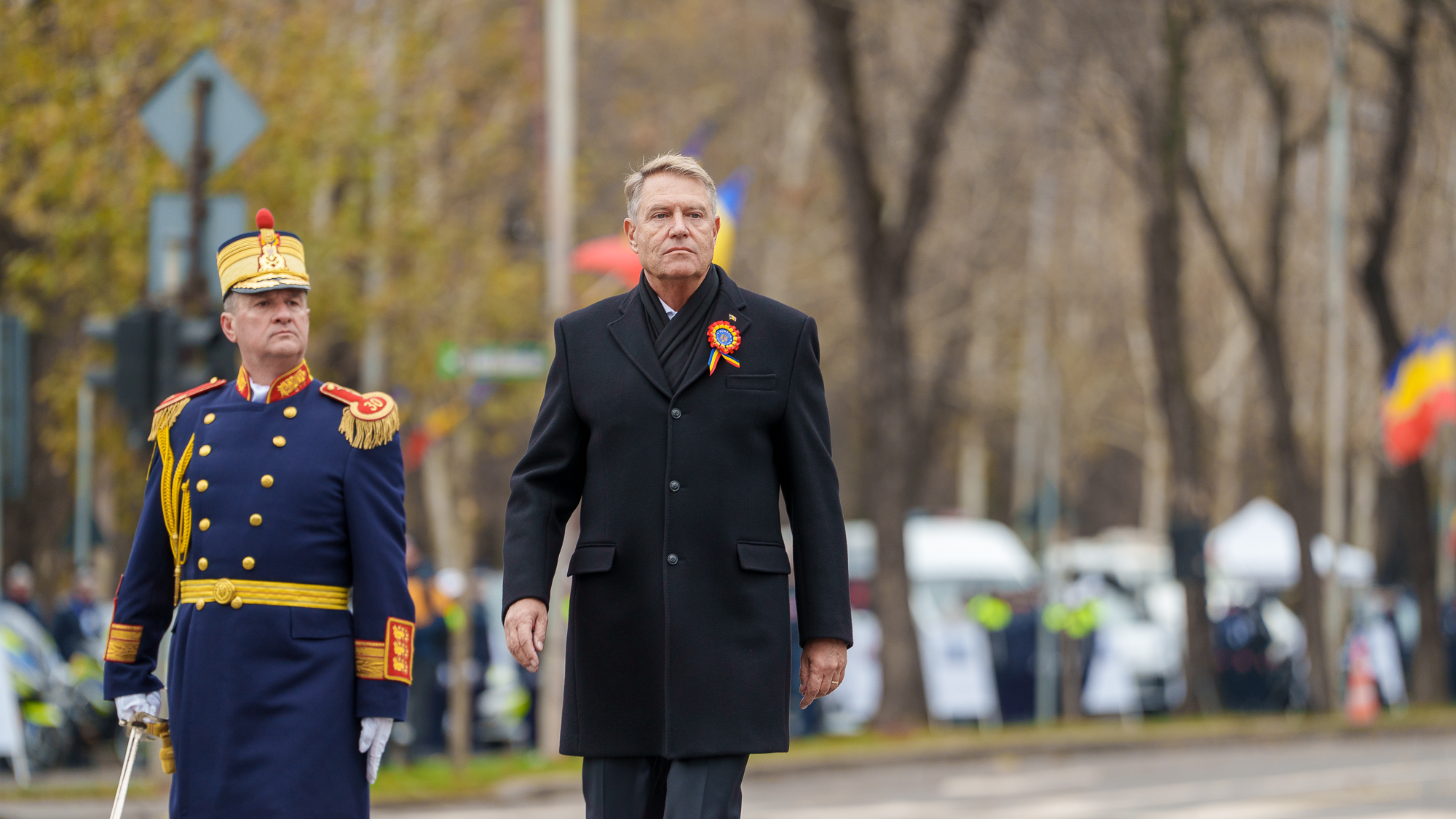
The Romanian state, through the fiscal agency, ANAF, has decided to request the transfer of the process in which it seeks the recovery of the sum of one million euros from the spouses Carmen and Klaus Iohannis, regarding rents for a property occupied abusively. The request was registered at the Alba Iulia Court of Appeal, after the Sibiu Tribunal rejected the establishment of a seizure on the assets of the former president. ANAF justifies the transfer by the possible influence of local relationships on the impartiality of the judges, considering that Klaus Iohannis was the mayor of Sibiu for 14 years, according to Informat.ro.
Additionally, ANAF fears that, without precautionary measures, the assets of the Iohannis spouses could be alienated, leaving the Tax Authority without the possibility of recovering the debts. ANAF’s action aims to compel the Iohannis spouses to pay compensation for the non-use of a 50% share of a property in Sibiu, the total amount being 320,000 euros, plus penalties. The Romanian state has already obtained the right to register the property, taking over the part that belonged to Klaus Iohannis. He was, for 10 years, president of Romania and still is one of the most controversial public figures.
Throughout his two terms, the defining pillar of the Iohannis presidency has been an unwavering commitment to the North Atlantic alliance and the European project.
-
Strategic Partnerships: Iohannis has been instrumental in strengthening the military presence of allied forces on Romanian soil, advocating for a robust Eastern Flank.
-
European Integration: His presence in the European Council has been characterized by a consensus-seeking diplomacy, aiming to move Romania from the periphery of decision-making toward the core of EU integration.
Domestic Stability and the “Grand Coalition”
One of the most discussed aspects of his later years in office has been his role in the formation and maintenance of broad governing coalitions. While criticized by some former supporters for fostering alliances between traditional political rivals, Iohannis has consistently argued that political stability is the paramount requirement for economic growth and the absorption of European funds.
| Key Domain | Policy Direction | Result by 2025 |
| Defense | Increase to 2.5% of GDP | Modernized military infrastructure |
| Energy | Nuclear and Green transition | Increased energy independence |
| Diplomacy | Strategic diversification | Enhanced visibility in non-EU markets |
Often described by the media as “the silent President,” Klaus Iohannis cultivated a leadership style that favored calculated statements over populist rhetoric. In the fast-paced, often volatile environment of Romanian politics, his deliberate pace was viewed by supporters as a calming influence and by detractors as a lack of urgent communication.
As 2026 progresses, this “Teutonic” calmness—a nod to his ethnic German heritage—remains his trademark, contrasting sharply with the more exuberant political styles of his predecessors.
Dusan Miletic speaks about potential Partizan Belgrad return