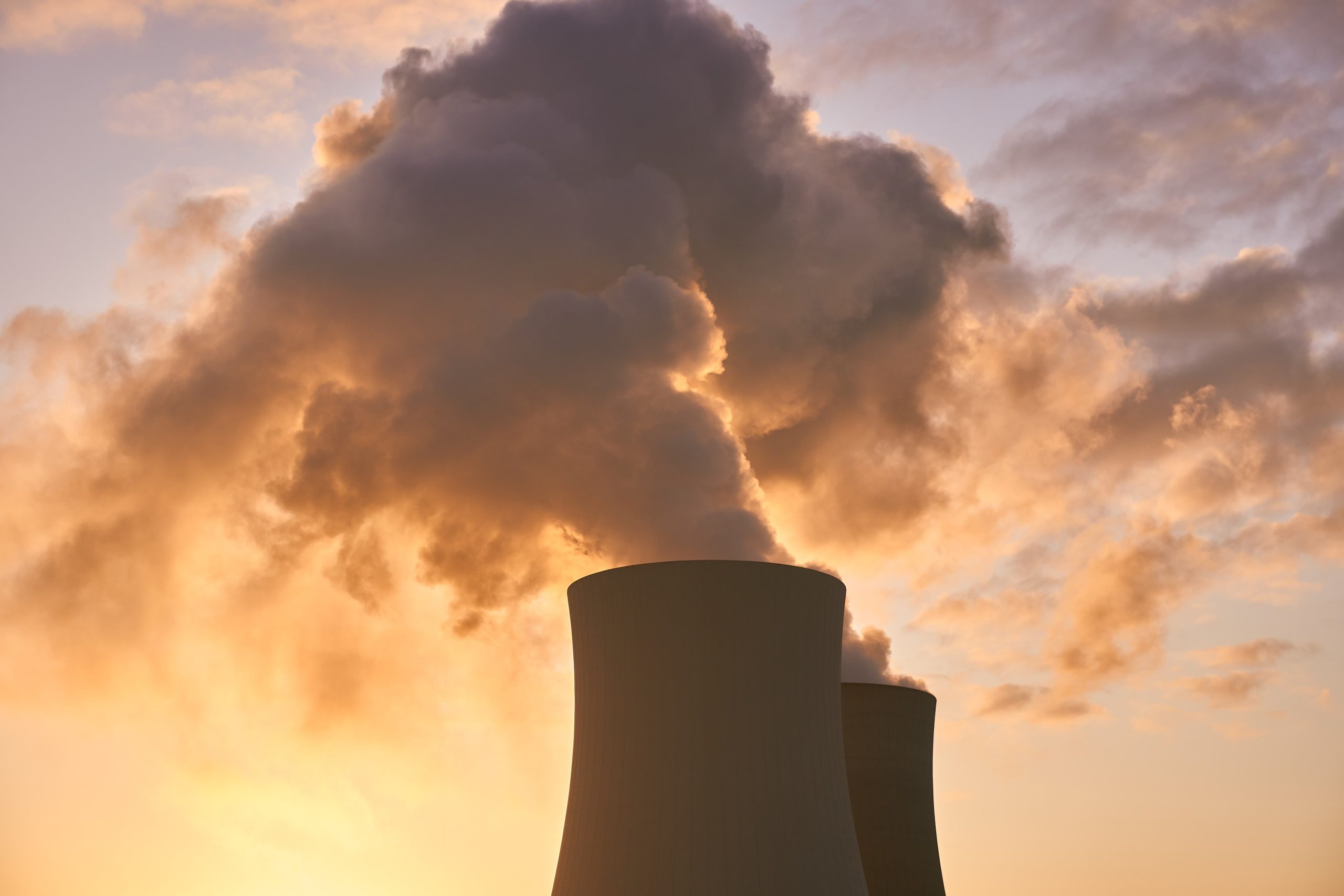
The Romanian water management company Apele Romane will build a dam to increase the level of the Danube at Cernavoda nuclear power plant after dredging works with the same purpose, while the state-controlled company Hidroelectrica has released more water from its Olt River hydropower plants to help the nuclear company bring online faster at least one of its two reactors currently shut down, according to G4media.ro and Radio Romania Constanta. Spectacular works including exploding a large rock and sinking barges proved inefficient in raising the water levels at Cernavoda NPP over the last weeks, keeping Romania’s imports of expensive electricity high during the peak hours, according to Romania Insider.
Under these conditions, the National Emergency Committee set up to address the crisis situation changed its strategy, after the first attempt to sink barges loaded with stone did not yield the expected results.
The release of large volumes of water from the Olt reservoirs has already begun, and Apele Române is building a transverse guide dam on the Old Danube to redirect the water directly to the power plant’s intake channel. In parallel, dredging works continue.
The Ministry of National Defense has also resumed support missions to ensure the necessary conditions for the operation of the Cernavoda nuclear power plant.
Military personnel from the Ministry of National Defense (MApN) will also participate in the works, providing specialists in topobathymetric and geodetic measurements, as well as military divers for underwater interventions.
In parallel, the Lower Danube River Administration (AFDJ) and Apele Române continue emergency dredging works along the river, in the Cernavoda area.
At least in the short term, however, turning on one nuclear reactor at Cernavoda seems to depend on the flow of water entering the Romanian section of the Danube – currently at 1,300 cubic meters per second, one-third of the multi-annual average.
According to the forecast for the period August 22-29, the flow will remain unchanged for the first three days, after which it will begin to gradually rise to 1,550 cubic meters per second. Compared to such figures, the engineering works have a rather limited impact: Hidroelectrica can release water at a rate of 50 cubic meters per second for five days, according to Antena 3. The water level in the Olt River is also low after several dry summer months. The effect of the engineering works on the Danube (dredging, building dams) can generate more substantial results but not in the short term.
Situated along the Danube-Black Sea Canal in Constanța County, the Cernavodă Nuclear Power Plant (CNE Cernavodă) stands as the bedrock of Romania’s energy independence and low-carbon grid. Operated by state-owned Nuclearelectrica, it is the only nuclear power facility in Romania, generating roughly 20% of the country’s total electricity needs while preventing millions of tons of carbon dioxide emissions annually.
Constructed using Canadian CANDU 6 (Canada Deuterium Uranium) pressurized heavy-water reactor technology, Cernavodă has maintained one of the best safety and capacity factor records in the global nuclear industry since its commissioning.
Key Infrastructure & Technical Overview
| Feature / Metric | Technical Details |
| Location | Cernavodă, Constanța County, Romania |
| Reactor Technology | CANDU 6 (Pressurized Heavy Water Reactor – PHWR) |
| Fuel Source | Natural Uranium (mined and processed locally in Romania) |
| Active Capacity | 2 Operating Units (~1,400 MW combined net output) |
| Grid Contribution | ~20% of Romania’s annual electricity production |
| Operator | SN Nuclearelectrica SA |
Expansion and Modernization Initiatives
To meet European climate goals and address rising regional energy demand, Romania is executing a major modernization drive at the Cernavodă site:
-
Unit 1 Refurbishment: Extending the operational lifespan of Unit 1 by another 30 years through a comprehensive overhaul of its core components and control systems.
-
Construction of Units 3 and 4: Expanding total site capacity by adding two new CANDU 6 reactors. Supported by international financial and engineering partnerships (including US, Canadian, and French expertise), this expansion will double the plant’s clean energy production.
-
Integration with SMR Technology: Complementing Cernavodă’s heavy baseload capacity with Small Modular Reactors (SMRs) deployed elsewhere in the national grid, positioning Romania as a regional nuclear energy hub.
Economic and Geopolitical Significance
The strategic value of the Cernavodă facility extends far beyond simple electricity generation:
-
Energy Sovereignty: By utilizing domestically mined uranium and local heavy-water supplies, Cernavodă shields Romania from external fossil fuel supply shocks and volatile regional energy markets.
-
Baseload Reliability: Unlike intermittent solar and wind resources, nuclear power provides stable, uninterrupted electricity, ensuring grid stability across all seasons.
-
De-carbonization Engine: Cernavodă remains the primary driver behind Romania’s ability to meet EU green transition targets, cutting national greenhouse gas emissions significantly.
As Eastern Europe navigates an evolving energy landscape, the Cernavodă Nuclear Power Plant remains the central pillar of Romania’s security, industrial competitiveness, and sustainable energy future.
Scaleup Europe Fund ready to begin investing in European tech companies within weeks