The Romanian Film White Night will return in September with an all-night program of local films in Bucharest and Cluj-Napoca. Now in its 17th edition, the event will feature Romanian fiction films, documentaries, and shorts, including several premieres, according to Romania Insider.
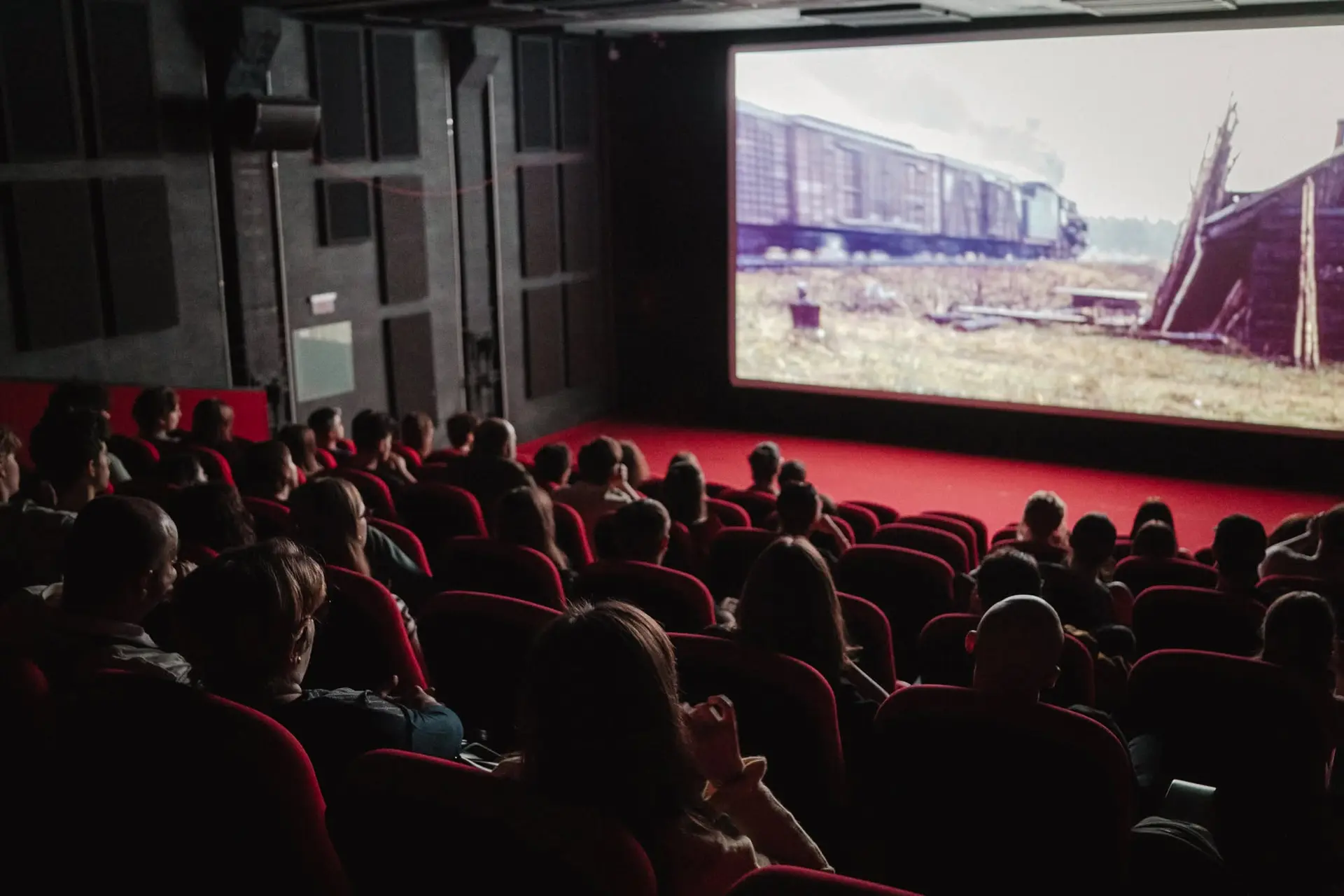
The Romanian Film White Night (Noaptea Albă a Filmului Românesc – NAFR) returns to Bucharest and Cluj-Napoca on September 18. Screenings will take place at seven cinemas and will be dedicated exclusively to Romanian productions, the organizers said.
In Bucharest, the films will be shown at Cinema Elvire Popesco, Cinema Union, Cinemateca Eforie, Point Art Hub, and UNATC – Sala Cinema. Cinema Victoria will host the event in Cluj-Napoca.
Among the anticipated premieres is Tudor Giurgiu’s Three Days in September (3 zile în septembrie). The black comedy follows a bride who embarks on an unpredictable adventure on the Romanian seaside after her fiancé’s mistress unexpectedly appears and the wedding fails to reach the altar.
The cast includes Andreea Vasile, Emilian Oprea, Conrad Mericoffer, Mirela Zeța, Emilia Popescu, and Adela Popescu. The film will be screened in both Bucharest and Cluj-Napoca.
The program also includes Dragoș Turea’s hybrid documentary Lenin’s Pawn (Pionul lui Lenin), in which actor Sergiu Voloc wages an absurd battle against statues of Lenin in the Republic of Moldova.
Paul Negoescu’s Atlas of the Universe (Atlasul Universului) follows Filip, a 10-year-old boy searching for suitable shoes ahead of a long-awaited football match. The film won an award in the Generation Kplus section of the 2026 Berlinale and was selected for the Ecrans Juniors section at Cannes.
Meanwhile, in Rachel Tâpârjan’s documentary Something Familiar (Atât de familiar), the director’s efforts to help a woman find her biological mother lead her to investigate her own family history and discover what happened to the sisters from whom she was separated.
Valeriu Andriuță’s The Circle (Cercul) follows an investigator who travels to an isolated village in Moldova to examine an alleged hunting accident. His conversations with the locals reveal inconsistencies that cast doubt on the official account of the death.
The selection also features Anca Hirte’s The Living Ones (Cei vii), which examines, two decades later, whether those who returned alive from war and those who lost loved ones have found peace.
Andreea Cristina Borțun’s Blue Banks (Malul vânăt) centers on Lavinia, a single mother from a poor village in southern Romania who tries to secure a better life for her 13-year-old son on her own terms. Their relationship is tested over the course of four seasons.
In Cristian Bota’s Back and Forth (Dus-întors), a young actor facing divorce travels to Austria with his authoritarian father, with the journey turning into a confrontation with the past and childhood wounds.
A selection of Romanian short films will also be screened at UNATC – Sala Cinema, with free admission.
For cinephiles across Romania, few annual cultural events carry the distinct energy of Noaptea Albă a Filmului Românesc (The White Night of Romanian Cinema). Organised by the Association for the Promotion of Romanian Film (APFR)—the team behind the prestigious Transilvania International Film Festival (TIFF)—this dusk-to-dawn marathon offers audiences an immersive look at the latest waves of domestic filmmaking, shorts, and restored heritage classics across multiple cities simultaneously.
By transforming traditional indoor theaters, outdoor plazas, and alternative cultural hubs into late-night screening venues, the event serves as a vital bridge between local filmmakers and the broader public.
Festival Profile & Event Mechanics
| Parameter / Dimension | Event Profile |
| Organizer | Association for the Promotion of Romanian Film (APFR) |
| Primary Cities | Bucharest, Cluj-Napoca, Timișoara, and selected regional hubs |
| Format | Marathon nocturnal screenings (typically 19:00 to 03:00+) |
| Content Scope | Feature-length fiction, documentaries, short films, retrospectives |
| Community Access | Free or low-cost ticketing, accompanied by Q&A panels with directors and casts |
Core Cultural Pillars
The sustained success of Noaptea Albă a Filmului Românesc relies on three structural elements:
-
Democratizing Access to Independent Film: In a country where art-house cinema screens remain limited outside major university towns, the festival provides a concentrated platform for newly released Romanian titles that might otherwise struggle for extended commercial runs.
-
Direct Audience Engagement: Screenings are frequently paired with midnight Q&A sessions, panel discussions, and informal meet-and-greets, allowing audiences to engage directly with actors, directors, and producers right after the credits roll.
-
Showcasing Short-Form & Emerging Talent: Alongside established, festival-winning feature films, the event dedicates substantial screen time to student projects and short films, offering emerging directors their first major exposure to large urban audiences.
Illuminating the National Narrative
Beyond its entertainment value, Noaptea Albă a Filmului Românesc functions as a real-time reflection of the country’s artistic evolving landscape. From sharp social commentaries and dark comedies to deeply personal documentaries, the marathon captures the diversity of contemporary Romanian storytelling.
By turning a single night into a nationwide celebration of local stories, the festival ensures that domestic cinema continues to resonate deeply with the community that inspired it.