

Romania’s domestic energy production fell by 2.6% in the first six months of 2026 compared with the same period last year, while final electricity consumption decreased by 3.3%, according to provisional data published on Monday by the National Institute of Statistics (INS), cited by Agerpres.
Electricity resources reached 34.691 billion kWh, up by 369 million kWh, or 1.1%, compared with the first six months of 2025, according to Business Review.
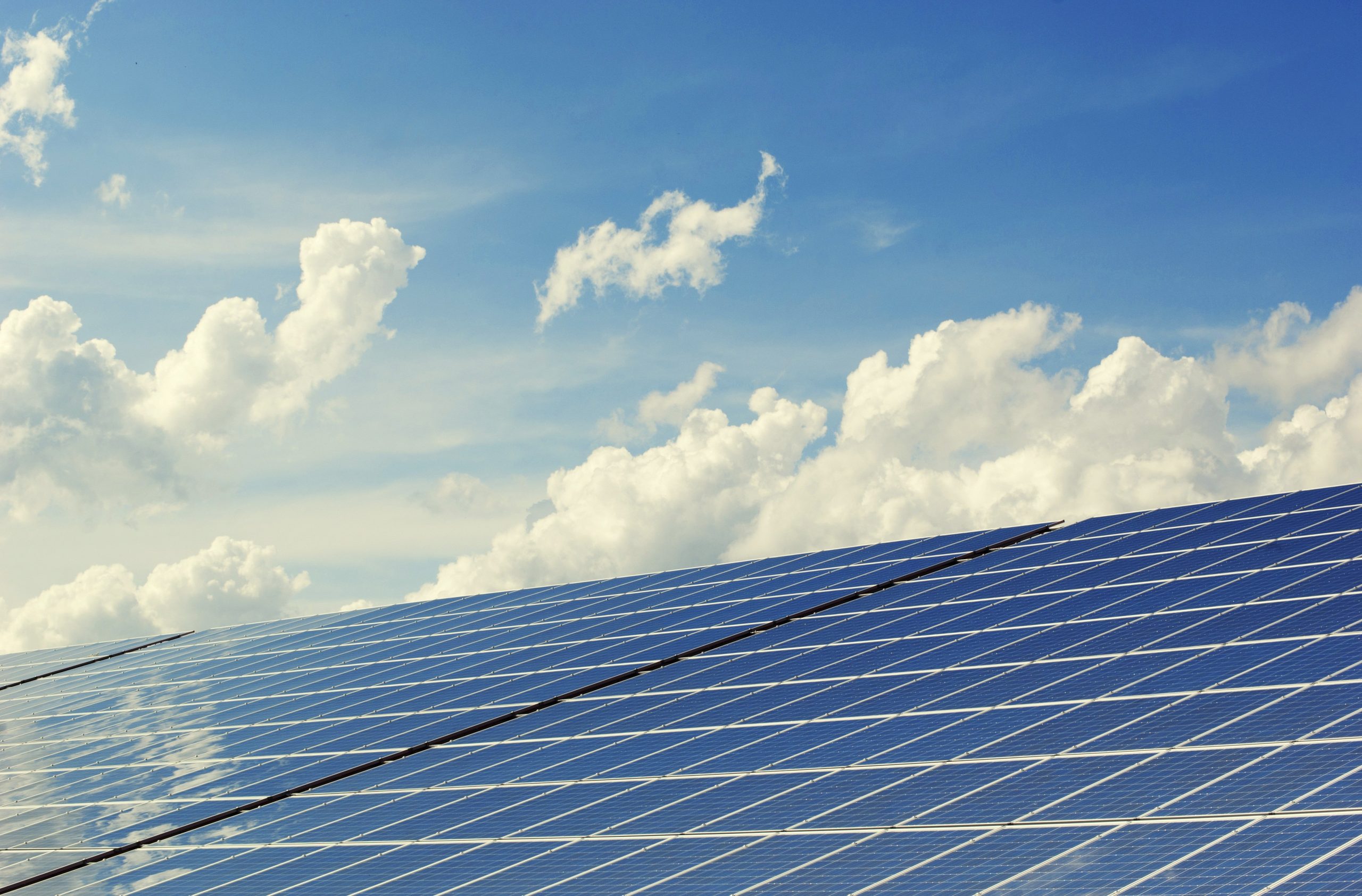
The strongest increase came from solar power, with photovoltaic installations generating 3.259 billion kWh, up 42.1% year-on-year. Hydropower production rose by 17.9% to 7.489 billion kWh, while wind power generation increased by 9% to 3.273 billion kWh.
The sharp rise in solar generation resulted from Romania’s rapid expansion of photovoltaic capacity, with the country adding around 2.2 GW of new solar installations in 2025 alone, including roughly 1 GW from prosumers.
By contrast, thermal power plants generated 7.680 billion kWh, down 5.9% year-on-year, while nuclear power generation fell by 11.7% to 4.530 billion kWh.
The first-half figures predate the severe energy constraints Romania has faced this summer. Record-low Danube levels forced both reactors at the Cernavodă nuclear power plant offline in August, with authorities asking households and companies to voluntarily reduce electricity consumption during the 19:00–23:00 peak period until the end of the month.
Final electricity consumption stood at 24.113 billion kWh, down 3.3% year-on-year. Electricity consumption in the economy decreased by 0.6%, public lighting consumption fell by 4.6%, and household consumption declined by 11.8%.
The fall in household electricity consumption comes as self-generation continues to expand rapidly among Romanian households, although the INS data does not isolate the impact of prosumers on the decline.
Electricity exports increased by 11.4% to 7.691 billion kWh, according to INS data, while technological consumption in grids and substations reached 2.887 billion kWh, up 16.4% compared with the same period of 2025.
Looking at the broader energy balance, Romania’s main primary energy resources totalled 15.502 million tonnes of oil equivalent (toe) in the first half of the year, down by 656,400 toe compared with H1 2025.
Domestic production amounted to 7.929 million toe, down 215,200 toe, or 2.6%, while imports declined by 5.5% to 7.572 million toe. Overall, primary energy resources decreased by 4.1% year-on-year.
Over the past ten years, Romania’s energy landscape has undergone a major transition, evolving from the aftermath of its early green boom into a modernized, solar- and wind-driven power market. Driven by European climate directives, the phase-out of coal capacity, and strategic injection of EU recovery funds, the country has re-established itself as one of the primary renewable energy investment destinations in Central and Eastern Europe.
While the decade began with regulatory uncertainty following the scaling back of early green certificate schemes, the subsequent years saw a resurgence characterized by corporate power purchase agreements (PPAs), massive utility-scale photovoltaic expansion, and active decentralized energy production.
The Evolution of the Market Across the Decade
| Phase / Period | Market Characteristics & Key Drivers |
| Post-Boom Stagnation (2016–2018) | Consolidation period following changes to the Green Certificate scheme; limited new installed capacity |
| Market Modernization (2019–2021) | Bilateral PPAs legalized; surge in investor interest driven by EU Green Deal targets |
| The PNRR & Solar Surge (2022–2026) | Rapid deployment of photovoltaic projects, expansion of prosumers, and introduction of CfD mechanisms |
Key Drivers of Renewable Growth
-
EU Recovery and Modernization Funds: The availability of capital via the National Recovery and Resilience Plan (PNRR) and the EU Modernization Fund provided direct grants for new wind, solar, and battery storage projects.
-
The Prosumer Explosion: High retail electricity prices in the early 2020s catalyzed residential and commercial rooftop solar installation, turning thousands of households and businesses into active power producers.
-
Contracts for Difference (CfD) Mechanism: The implementation of two-way CfD auctions established long-term price stability for developers, unlocking institutional financing for gigawatt-scale onshore wind and solar farms.
-
Coal Phase-Out Commitments: Strategic timelines for retiring aging coal-fired plants in the Jiu Valley and Oltenia created a capacity deficit that clean energy investments stepped in to replace.
Grid Integration and Storage: The Modern Challenge
As installed renewable capacity accelerated, the primary bottleneck shifted from capital availability to grid capacity and flexibility:
-
Transmission Upgrades: Transelectrica, the national grid operator, initiated extensive modernization plans to reinforce transmission corridors connecting high-resource areas (such as Dobrogea) to major industrial consumption centers.
-
Battery Energy Storage Systems (BESS): To address intermittency and avoid curtailment, recent regulatory frameworks have mandated or incentivized co-locating battery storage units alongside major wind and solar parks.
A Strategic Energy Hub in Southeastern Europe
Looking back across the 2016–2026 span, Romania transitioned from a traditional energy producer reliant on fossil fuels and hydro into a diversified, technology-driven green energy market. By pairing vast natural resources in wind and solar with structured European financing, the country anchored its path toward energy independence and grid decarbonization.
Romania’s industrial investment boosted by infrastructure development, resilient demand
Comments
comments


