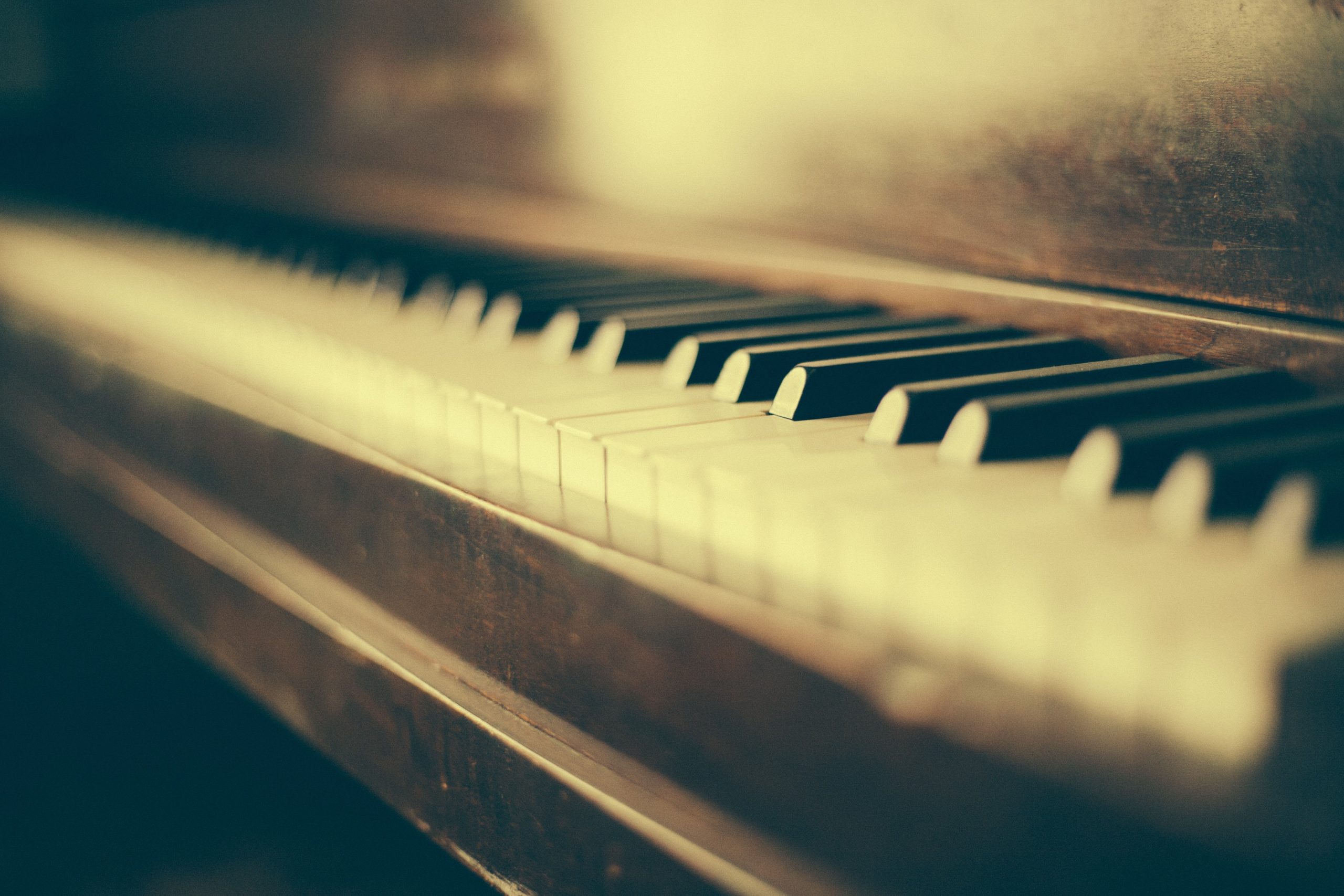
This year’s edition of Classic for Kids, an educational project aiming to facilitate encounters with classical music, will cover 22 concerts and musical workshops adapted for children, in seven counties in Romania, according to Romania Insider.
The project will reach, in April and May of this year, schools and communities in the counties of Cluj, Alba, Sălaj, Botoșani, Suceava, Bistrița-Năsăud and Maramureș.
The free concerts and music workshops are meant especially for children from small towns and rural areas, where access to cultural events is limited.
This year’s edition, titled “Mozart at the Animals’ Farm,” will have a program that combines classical works with contemporary pieces composed for this edition. Starting from the well-known Ah vous dirai-je, Maman, the program will feature works by composers Anamaria Meza, Șerban Marcu, Alexandru Murariu, Ciprian Gabriel Pop, and Aurelian Băcan.
“We invited contemporary composers to write music especially for children, starting from this world of the farm, because we want to offer children a vivid, playful, easy-to-imagine experience. At the same time, Mozart remains an essential starting point, because his music is incredibly accessible and full of energy,” pianist Bogdan Vaida, the initiator of the project, explains.
At the same time, the general public is invited to attend the open events in Siret and Vechea, which will take place on April 30 and May 17, with free access.
The Core Mission: Accessibility and Engagement
The genius of “Classic for Kids” lies in its rejection of the “stuffy” elitism often associated with classical music. Instead, it utilizes interactive storytelling, gamified learning modules, and “instrument petting zoos”—sessions where children can touch and try out violins, cellos, and flutes under professional supervision.
Strategic Educational Pillars
The project is built upon three fundamental pillars designed to engage different learning styles and age groups:
| Educational Pillar | Methodology | Primary Goal |
| Active Listening | Animated visual storytelling synchronized with live performances. | Improving focus and emotional intelligence. |
| Rhythmic Coordination | Body percussion and introductory conducting workshops. | Developing motor skills and group synchronicity. |
| Historical Context | “Meeting the Composer” through theatrical role-playing. | Humanizing historical figures like Bach or Beethoven. |
Quantifiable Impact on Child Development
Educational psychologists collaborating with the project have noted significant improvements in students who participate in the “Classic for Kids” curriculum for at least one academic year. The data suggests that the benefits extend far beyond the music room.
| Development Area | Observed Improvement (%) | Scientific Rationale |
| Mathematical Reasoning | +15% | Understanding complex rhythmic patterns and structures. |
| Verbal Memory | +20% | Auditory processing and pitch discrimination. |
| Social Integration | +25% | Collaborative effort required in ensemble playing. |
Digital Integration in 2026
To stay relevant in the modern age, the project launched the “Classic for Kids App” in late 2025. This platform uses Augmented Reality (AR) to allow children to see a 3D orchestra in their own living room, identifying each instrument’s sound through interactive quizzes. This hybrid approach ensures that the magic of the violin isn’t lost when the school bell rings.
The Challenges of Funding and Scaling
Despite its success, “Classic for Kids” faces the perennial challenge of the arts sector: sustainable funding. Relying on a mix of government grants and private sponsorships, the project’s leaders are constantly advocating for music to be treated as a core subject rather than an extracurricular luxury.
Confidence in One’s Own Parenting Skills: The Key to Better Behavior in Children