


More than a third (37 percent) of Romanians say they would go to a city break in 2019. It is not surprising that most of them prefer, beyond exploring cities and sightseeing, to be able to relax in a peaceful and friendly environment.
Whether they want to spend an afternoon in the park or embark in a bicycle tour of the city, Romanian tourists search “green” opportunities they may lack at home, according to momondo.ro.
Top 3 most recent greenest cities in Europe
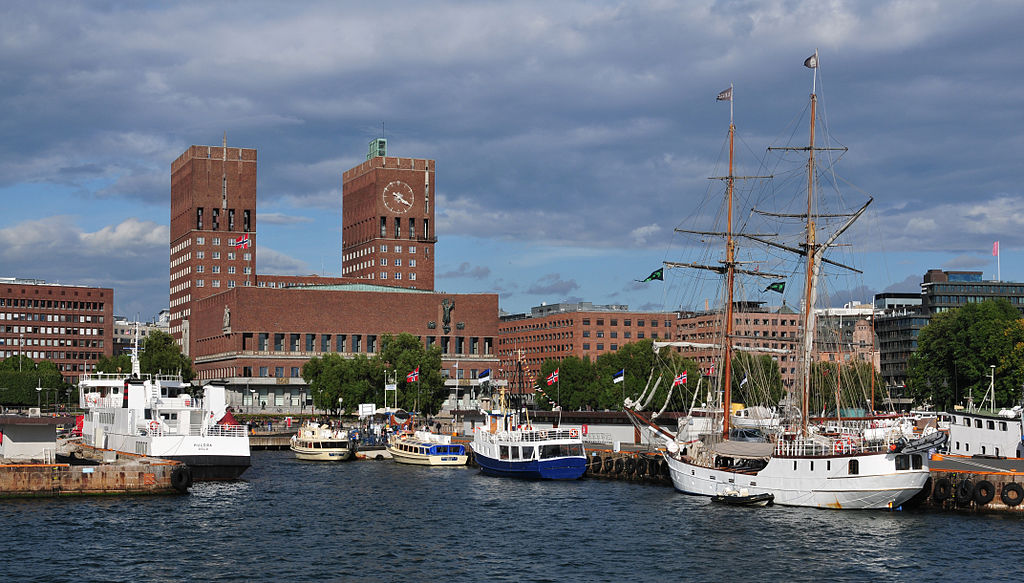
In 2019, the European Greenest Capital is Oslo, which impresses with its holistic approach, taking care of a wide range of areas, including: biodiversity, public transport, or citizens’ health.
Tourists planning a city break here will be able to explore a large pedestrian space at the expense of cars, as well as large green spaces across the city.
The average price of a round-trip ticket at economy class for an adult: EUR 191.
For the year 2020, the Capital city of Portugal, Lisbon, was chosen to highlight the strategy for improving the quality of life of citizens and tourists.
Developing public electric transport (tramways, electric cars, electric bikes), performance in reducing water loss in the public system and re-using it for irrigation or street cleaning, and focusing on integrating citizens into the mission of making Lisbon a sustainable city, have brought the European Green Capital title of 2020.
The average price of a round-trip ticket at economy class for an adult: EUR 226.
A few weeks ago, Lahti (Finland) was announced as the next city appreciated for its efforts to contribute to the health of its inhabitants.
Since 1997, the city has begun to work on improving air quality, accustoming local companies to monitor and contribute to its growth.
Also, a very high proportion – 99 percent – of its citizens live at maximum 300 m from an urban green space, allowing them to enjoy hiking, fishing or even harvesting forest fruits or mushrooms at leisure.
Policies for recycling or inclusion of citizens in the sustainable development of the city also contributed to the title of green city.
Comments
comments


