

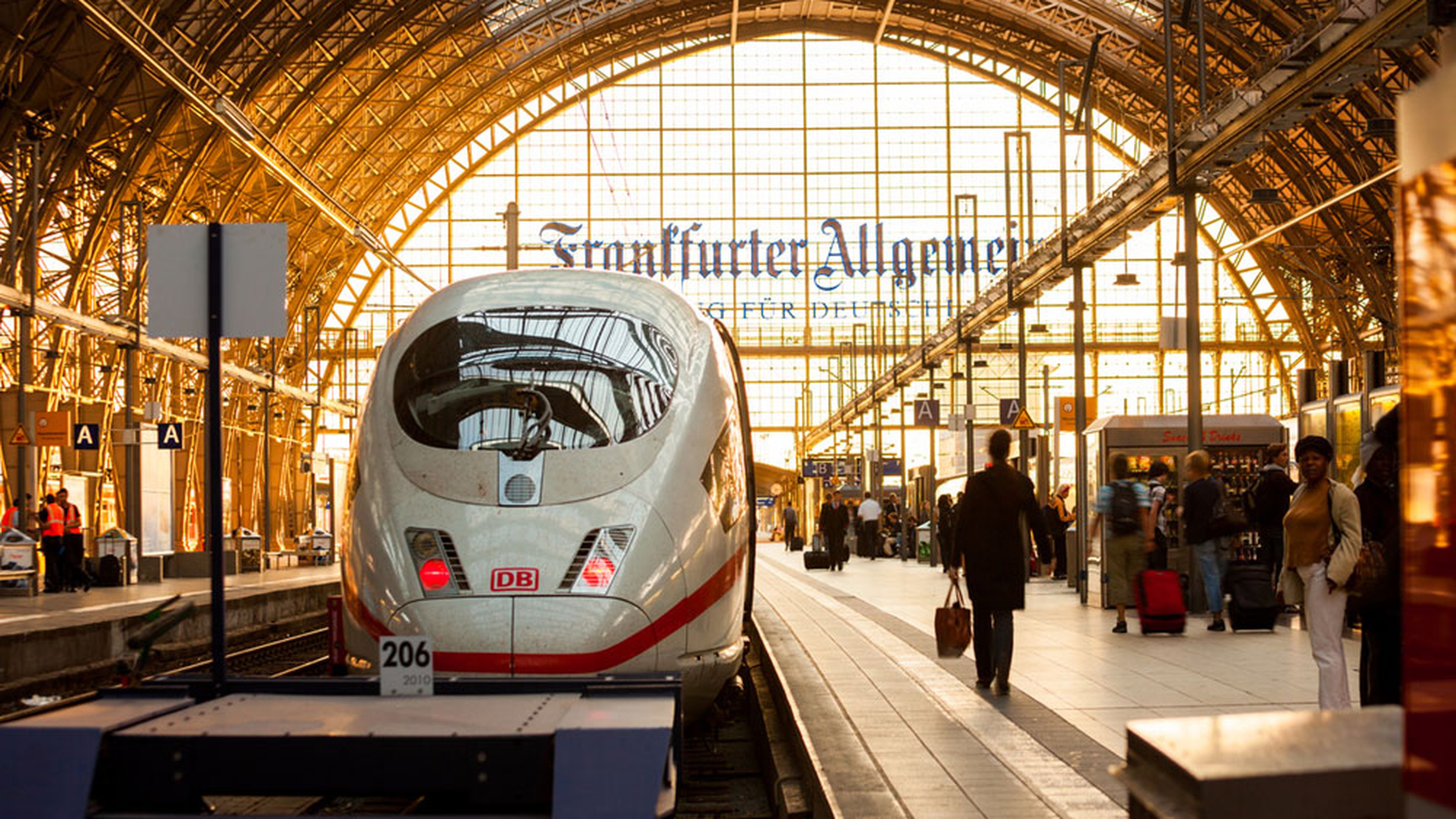


Arguably, discouraging the use of personal cars through zero-fare public transport could mitigate the problems of global warming and oil depletion. Justifications include reducing car usage, pollution and noise, helping disadvantaged groups and redefining collective transport as common good. The Romanian city of Cluj-Napoca even allowed a free ride to anyone reading while travelling — a unique attempt to encourage a reading habit.
The Estonian capital, Tallinn, having more than 4,20,000 inhabitants, became the first European capital to implement free public transportation in 2013 for residents through a public referendum, and is known as “the capital of free public transport”. After this produced satisfactory results, Estonia decided to expand the service of free buses, trains, and ferries to the entire country. In Tallinn, 55 per cent trips were made by buses and trams in 2012, and it became 63 per cent in 2013 when free service was implemented. Interestingly, Tallinn has reaped rich dividends because of an increase in population and economic activity owing to free transport. Free public transport can stimulate the mobility of higher-income groups, who go out more often for entertainment, spend more money, thus making local businesses thrive.
Motivated by Tallinn, the mayor of Paris wanted to make public transport free to reduce pollution by 2020. Luxembourg has announced that it will make all its public transport free. Free public transport is usually funded either by the federal, state or local government through taxation or by commercial sponsors. Savings on the collection of fares and the policing of ticket purchases, car parking and taxes on fuels may provide funds as well. Moreover, in Germany’s case, the project to upgrade local transport was worth a billion-euros, and BMW, Daimler and Volkswagen agreed to pay some 250 million euros for it.
Comments
comments


