BRD (ISIN ROBRDBACNOR2) helped arrange a EUR 30.00 million municipal bond issue, with subscription orders exceeding EUR 77.00 million. AmCham reported the transaction on October 8, 2026, while the offering itself ran from September 21 to September 25, 2026, according to Ad-Hoc-News.de.
Demand exceeded the issue
The bond offering was conducted for the Municipality of Alba Iulia, with BRD and Raiffeisen Bank acting as intermediaries. Subscription orders exceeded EUR 77.00 million, more than twice the EUR 30.00 million issue size, creating a quantified demand surplus of more than EUR 47.00 million, according to AmCham. The proceeds are intended to refinance and restructure local-government debt and support projects backed by European funds.
What does 5.97 percent mean?
BRD held a 5.97 percent weighting in the BET index on October 16, 2026, according to the BVB. The index profile listed 696,901,518 BRD shares, making the bank a material component of Romania’s benchmark equity gauge. A separate market overview put BRD’s market capitalization at RON 21.46 billion on October 11, 2026, and its 52-week range at RON 20.35 to RON 39.25, according to InvestPane.
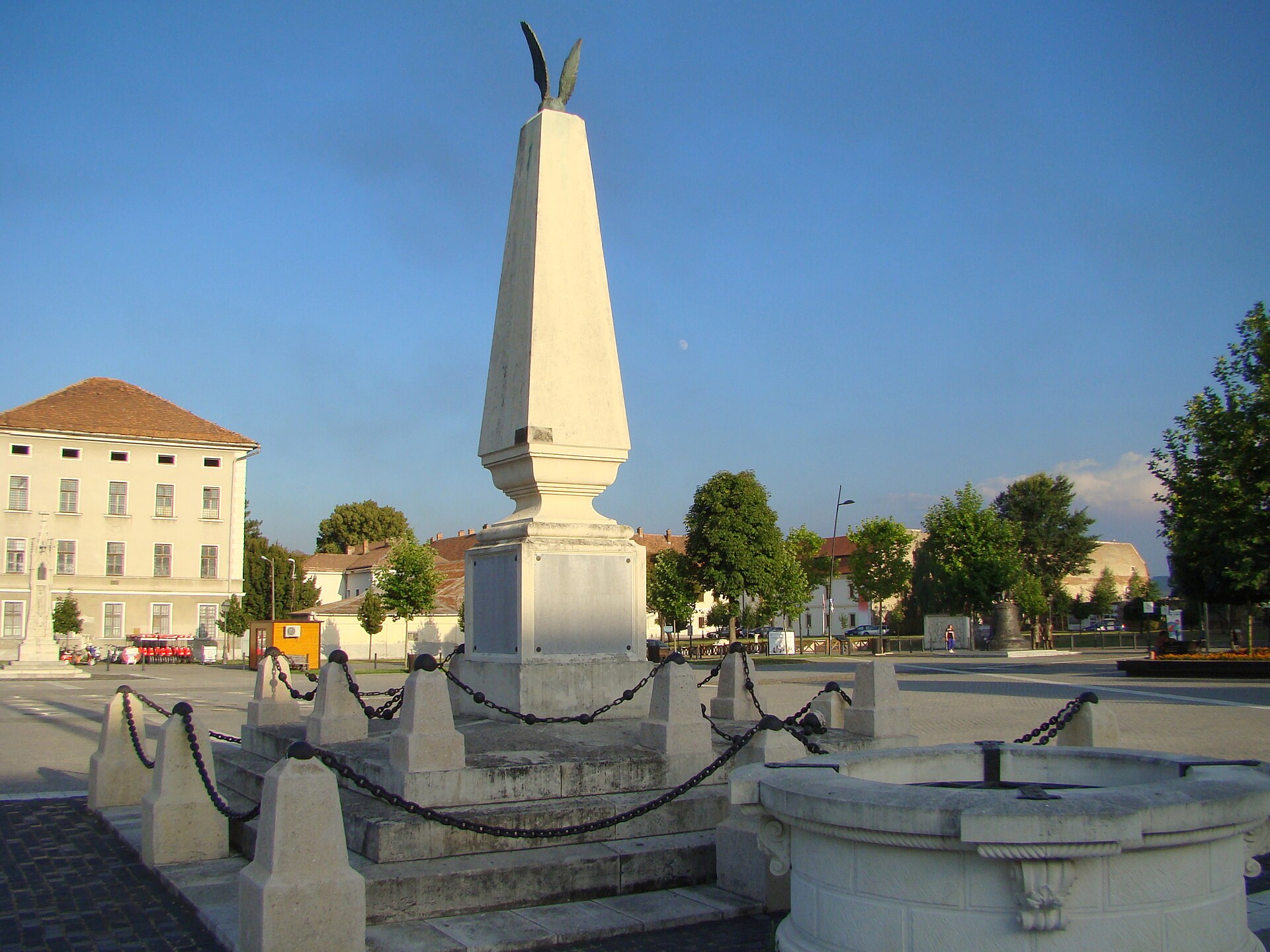
For decades, Alba Iulia was primarily celebrated through the lens of history. As the symbolic birthplace of modern Romania and home to the iconic Alba Carolina Citadel, the Transylvanian city built a reputation around heritage tourism and civic pride. Yet, over the last fifteen years, a quieter, more profound transformation has taken root. Today, Alba Iulia is emerging as one of Central Romania’s most agile municipal economies, leveraging smart city innovation, strategic European Union funding, and high-value industrial investments to build a sustainable economic engine.
By pairing administrative modernization with targeted private-sector partnerships, the municipality is actively transitioning from a historical monument into a competitive regional economic hub.
Key Economic Indicators and Strategic Milestones
| Metric / Domain | Development Profile |
| Primary Economic Drivers | Automotive components, food processing, smart tourism, green energy |
| Infrastructure Anchors | Direct access to the A10 Highway (Sebeș–Turda), connecting to A1 |
| EU Funds Absorption | Among Romania’s highest per-capita absorption rates (€300M+ invested) |
| Pioneering Status | Romania’s flagship “Smart City” pilot project (over 100 integrated solutions) |
| Regional Synergy | Strategic industrial corridor with Sebeș and the wider Alba County |
The Three Pillars of Alba Iulia’s Economic Model
-
Unlocking Capital Through European Funds:
Alba Iulia was an early adopter of long-term strategic urban planning powered by EU structural grants. Rather than relying solely on national budget allocations, the local administration systematically targeted EU funds to rehabilitate public infrastructure, modernize public transport fleets with electric vehicles, and restore its historical core. The restoration of the Alba Carolina Citadel served as the initial catalyst, turning a neglected landmark into an international tourism asset that now supports a thriving ecosystem of hospitality, retail, and service businesses.
-
The “Smart City” Living Lab:
In 2016, Alba Iulia launched a pioneering national pilot program, partnering with major technology and telecommunications firms to implement smart public services. From intelligent street lighting and smart waste management to digitalized public transport and municipal e-governance, the city transformed itself into a testbed for urban technologies. This digital-first reputation has attracted technology startups, educated talent, and specialized consultancy firms to the area.
-
Industrial Connectivity and the Sebeș-Alba Iulia Axis:
The completion of major regional motorways—specifically the A10 connecting to the A1 trans-European corridor—fundamentally altered the city’s logistics footprint. In close synergy with neighboring Sebeș, a major industrial powerhouse, Alba Iulia has attracted significant foreign direct investment (FDI) in automotive components, premium wood processing, and specialized manufacturing. Local industrial parks offer streamlined permitting and modern utilities, making the city an attractive alternative to hyper-saturated markets like Cluj-Napoca or Timișoara.
Institutional Synergies and Future Outlook
A crucial component of Alba Iulia’s sustained growth is the presence of the “1 Decembrie 1918” University. Higher education programs are increasingly aligning their curricula with local industry demands, focusing on business administration, computer science, and engineering. This close collaboration between academia, municipal authorities, and private enterprise helps retain young professionals who might otherwise migrate to larger metropolitan centers.
Looking ahead, the city’s economic strategy centers on the green transition. Upcoming municipal investments prioritize photovoltaic energy production for public buildings, expanded urban green spaces, and sustainable industrial zones.
By marrying its rich cultural heritage with forward-looking economic policies, Alba Iulia demonstrates that medium-sized European cities can successfully carve out a distinct, highly resilient economic identity in a rapidly evolving global market.
Photo: De la Țetcu Mircea Rareș – Operă proprie, CC BY-SA 4.0, https://commons.wikimedia.org/w/index.php?curid=62018118
Romania to resume power generation at Cernavodǎ nuclear power plant towards end-September