


For decades, ambitious firms seeking a foothold in Central and Eastern Europe gravitated toward the usual suspects: Warsaw, Budapest, Prague.
There was a comforting familiarity in the bright lights of the region’s major capitals, as well as the convenience of established infrastructure and readily available talent pools.
But as these popular hubs become crowded and costs climb ever higher, a quiet yet significant shift is taking place. Increasingly, businesses—both multinational and homegrown—are turning their attention to lesser-known locales.
From Stara Zagora in Bulgaria to Košice in Slovakia, and from Cluj-Napoca in Romania to Plzeň in Czechia, a suite of mid-sized cities is emerging as the new frontier of opportunity.
The recent Business-Friendly Cities report from Emerging Europe underscores this trend. While it still acknowledges the undeniable strengths of big capitals, the report shines a spotlight on an increasingly confident second and third tier of cities brimming with innovation, cost advantages, and clever policymaking.
These mid-sized players promise more than just lower overheads: they are fast becoming lively centres of entrepreneurship, cultural vibrancy, and pan-European integration.
The conversation around emerging Europe has long been dominated by the stars of the show—iconic capitals and established regional hubs.
Yet just beneath that top layer is a constellation of smaller urban centres poised to deliver surprising dividends for both startups and established corporations.
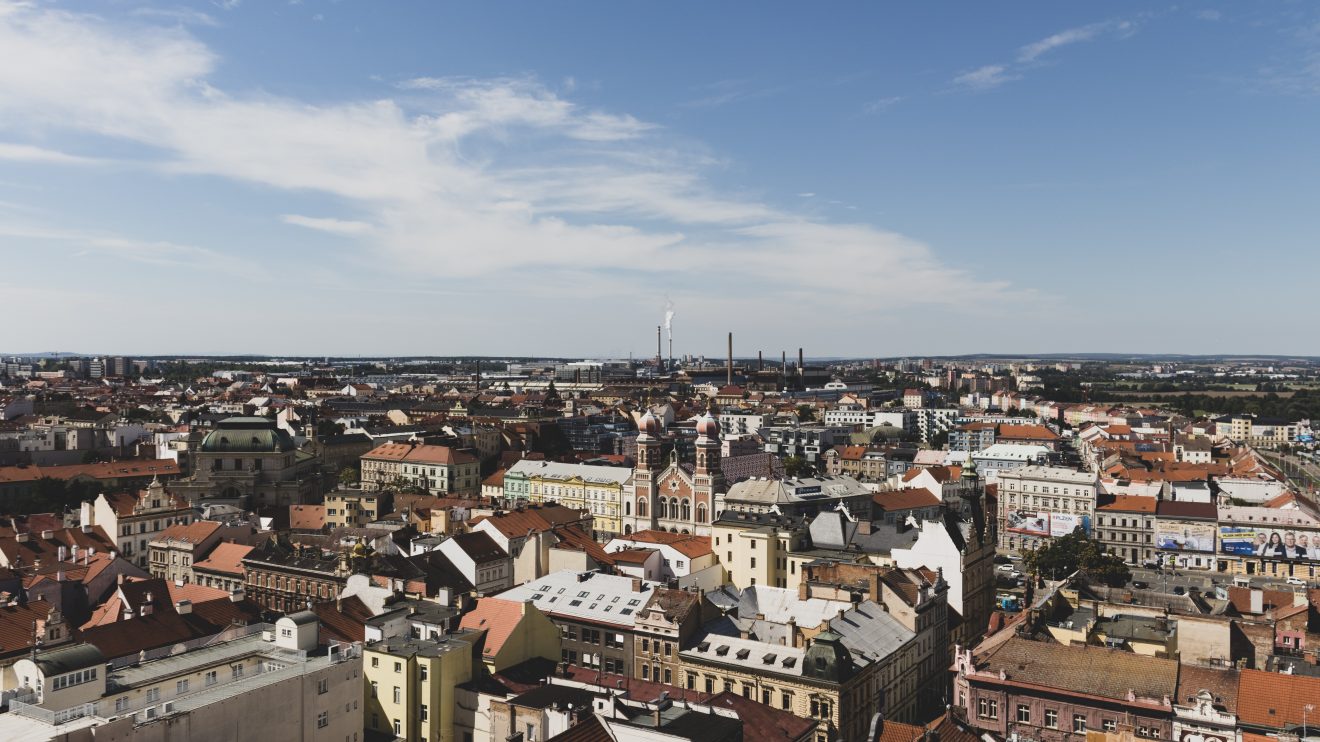
Plzeň, which topped Emerging Europe’s list of the most business-friendly second-tier cities in the region, is reinventing itself beyond its famous brewery heritage; known to many only for Pilsner beer, the city has nurtured a robust manufacturing sector and a flourishing hub of mechanical engineering and industrial automation.
Investors that once would have defaulted to Prague are discovering that Plzeň’s more modest scale translates into a business environment that is both accessible and supportive.
In Bulgaria, Burgas, second in our ranking, offers another instructive example. While coastal cities are often pigeonholed as tourist destinations, Burgas is expanding its profile as a logistics and services centre.
Strategically located along the Black Sea, it connects central Europe’s markets with maritime trade routes. Ongoing improvements in transport infrastructure have made Burgas increasingly attractive to import-export firms, tech companies, and creative industries.
Another city in Bulgaria, Stara Zagora, once overshadowed by Sofia, is carving out a reputation in advanced manufacturing, IT services, and green-tech ventures.
Likewise, in Lithuania, Klaipėda—third in our ranking and known historically as a major Baltic port—has worked to diversify its economic portfolio. Today it complements its shipping and logistics strengths with a growing cluster of IT service providers and renewable-energy businesses, supported by local authorities keen on cutting red tape and nurturing talent.
Košice, Slovakia’s second-largest city, encapsulates the region’s quiet revolution in more than one way. Once considered peripheral, Košice now stands out as a flourishing IT hub, boasting a pipeline of skilled graduates from strong local universities. Its smaller size and affordability, relative to Bratislava or even Prague, attract both promising startups and established tech firms looking to control costs and tap into a well-trained workforce.
Meanwhile, Cluj-Napoca, in Transylvania, continues its ascent as a leading technology and innovation centre. What Cluj lacks in global name recognition, it makes up for with a talented pool of multilingual engineers and an appealing cultural scene that helps firms recruit and retain top talent.
Why choose a Stara Zagora over Sofia, or Plzeň over Prague? One reason is strikingly simple: cost efficiency. Wage and property costs remain significantly lower in secondary cities compared to the capitals.
Firms can often reduce their operating expenses by 20-30 per cent by opting for a smaller locale, freeing up capital for investments in research and development (R&D), marketing, training, or product development. In a world increasingly defined by thin margins and intense competition, every percentage point saved counts.
Yet cost is only part of the equation. Smaller cities tend to be more navigable and more ‘human’ in scale. The average employee in Burgas can enjoy a short commute, easy access to green spaces, and a relatively calm pace of life, boosting morale and productivity.
Košice offers cultural festivals and a historic old town that make it more than just a workstation. Klaipėda’s mix of maritime heritage and modern tech offices ensures employees can enjoy a balanced lifestyle, surrounded by cultural offerings and natural beauty. These quality-of-life factors are far from trivial: as Europe faces labour shortages in key sectors, companies need every advantage to attract and retain talented individuals who have no shortage of global options.
Crucially, smaller cities are often better at forging tight-knit relationships between local government, industry, and academia. In Košice, IT curricula at local universities align closely with the needs of area employers, ensuring a steady pipeline of job-ready graduates.
Cluj’s network of business incubators, venture funds, and mentorship programmes is mirrored, albeit on a smaller scale, in places like Plzeň, where industrial firms partner with university labs to spur applied research and development.
In Klaipėda, local authorities and port operators collaborate on digitalising logistics, making the city a testbed for maritime innovation. Such coordination is easier to achieve in a smaller setting than in the sprawling complexities of a capital city’s bureaucracy.
Emerging Europe’s Business-Friendly Cities report highlights that many of these mid-sized contenders are making strategic infrastructure bets.
Plzeň has invested in industrial parks with modern utilities and seamless access to highways, while Košice benefits from improved rail links and a growing network of regional flights.
Burgas, by leveraging EU structural funds and smart city initiatives, is developing efficient municipal services and strengthening its transport corridors. Klaipėda is reinventing its port facilities to handle more diverse cargo and experimenting with digital tools that streamline operations.
Local governments are also getting savvier about incentive structures. Stara Zagora offers streamlined permitting processes, Cluj’s city council supports early-stage startups with targeted grants, and Klaipėda’s leadership cuts red tape to attract foreign direct investment.
Plzeň’s authorities collaborate with Czech national agencies to ensure that businesses setting up shop receive guidance on tax codes, labour regulations, and access to training funds. Taken together, these measures form a toolkit that helps smaller cities punch well above their weight.
Read more HERE
Comments
comments


